Oil and Gas Industry and Lawmakers Discuss Export Tax in Brasília
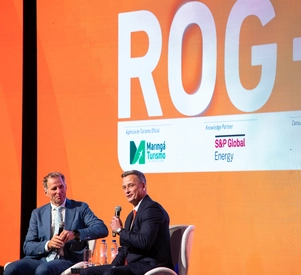
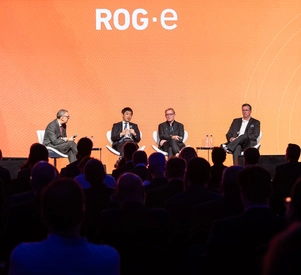
During a breakfast meeting held in Brasília on April 29 with congressional leaders and oil and gas industry executives, the Brazilian Petroleum, Gas and Biofuels Institute (IBP) presented data highlighting the impacts of Provisional Measure No. 1,340/2026, particularly the introduction of the Export Tax, on Brazil’s oil and gas sector. According to anIBP study, the creation of a 12% tax on crude oil exports could not only undermine the industry’s competitiveness and ability to attract investment, but also reduce revenues for states and municipalities by as much as BRL 4 billion.
The study shows that, in a scenario where Brent crude reaches US$103 per barrel, federal government revenues would already increase by BRL 74 billion under the existing fiscal framework, without the new tax. With the Export Tax in place, federal revenues would rise to BRL 100 billion; however, the share allocated to states and municipalities would decline from BRL 45 billion to BRL 41 billion. This reduction occurs because the Export Tax is deductible from the corporate income tax (IRPJ) and social contribution tax on net profits (CSLL) calculation bases, reducing the tax revenues shared with subnational governments.
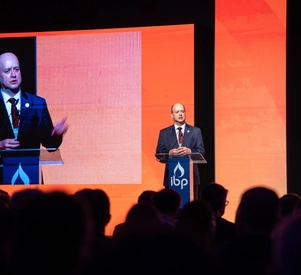
IBP argues that Brazil’s existing fiscal regime already captures the benefits of higher oil prices through royalties and special participation payments. Opening the event, IBP President Roberto Ardenghy emphasized that the industry “plans to invest US$183 billion and generate 440,000 jobs over the coming years,” while warning that competitiveness remains essential to attracting such capital.
For Claudio Nunes, IBP’s Executive Director for Exploration and Production, the creation of an Export Tax on crude oil is unjustified, given that the government already benefits from higher revenues when oil prices rise.
“Higher oil prices already increase government revenues through existing mechanisms. In addition, we need to think about the country in the long term—about stability, legal certainty, and business confidence—not short-term solutions.”
Veronica Coelho, CEO of Equinor in Brazil, highlighted the need to preserve the competitiveness of investment projects in light of the industry’s already significant tax burden.
“We need to ensure economic competitiveness in order to attract capital and invest in energy. Out of every three barrels produced, two go to the government. With the Export Tax, around 25% of gross revenue goes directly to the government before any operating costs are paid. That is an extremely heavy burden.”
Lawmakers from different political parties expressed views aligned with those of the industry regarding the inclusion of the Export Tax within Provisional Measure No. 1,340/2026.
Representative Joaquim Passarinho, Chairman of the Chamber of Deputies’ Mines and Energy Committee, criticized the use of a Provisional Measure to impose a tax without adequate public debate.
“How can we provide legal certainty to investors and attract investment if new taxes are created without dialogue?”
Senator Izalci Lucas stressed that export taxation is not contemplated by the Brazilian Constitution.
“Taxing exports simply does not exist. It is in the Constitution.”
Representative Luis Philippe Bragança described Provisional Measure No. 1,340 as a “rushed measure” aimed at covering fiscal gaps.
Also participating in the event, Representative Mendonça Filho warned that excessive taxation could make oil and gas production costs nearly unsustainable in the long term. Representative General Pazuello echoed concerns about the loss of predictability in the business environment and its impact on investor confidence. Representative and former Minister Fernando Coelho highlighted the potential reputational consequences for Brazil abroad.
“The reputational damage was already done in 2023, and now again with the Export Tax.”
Carlos Zarattini, Deputy Government Leader in the Chamber of Deputies, stated that the federal government remains committed to attracting investment while promoting a broader discussion aimed at balancing the interests of society. Representative Pedro Campos emphasized that the debate should focus on the end consumer.
“The real issue is the consumer facing high fuel prices at the pump and rising costs in daily life. We need to discuss these points.”
IBP also demonstrated that, even with Brent crude at US$90 per barrel, existing fiscal mechanisms would already generate BRL 45 billion in revenues for the federal government—an amount exceeding the BRL 40 billion estimated by the government to finance diesel subsidies and PIS/COFINS tax exemptions. In light of these findings, Representative Hugo Leal suggested a technical solution: maintaining the diesel subsidy provisions within Provisional Measure No. 1,340 while removing the articles that establish the Export Tax.
Click here to access the IBP study on the impacts of the Export Tax on crude oil.